

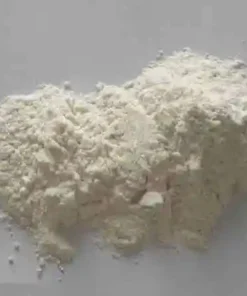
2MMC Powder – 2-Methylmethcathinone

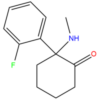
Price range: $140.00 through $1,995.00
2MMC (2-Methylmethcathinone) guide: effects, risks, legality, safety concerns, and scientific overview of this synthetic stimulant compound.
2MMC (2-Methylmethcathinone) – Complete SEO-Optimized Informational Guide
Introduction to 2MMC (2-Methylmethcathinone)
This guide provides a powerful, detailed, and research-based overview of 2MMC, focusing on its chemical profile, potential effects, health risks, legal status, and safety considerations.
What is 2MMC? (Chemical Overview)
2MMC (2-Methylmethcathinone) is a synthetic compound derived from cathinone, a naturally occurring stimulant found in the khat plant. Chemically, it belongs to the substituted cathinone group, which also includes substances like mephedrone analogs.
This compound is typically discussed in the context of research chemicals, meaning it is primarily studied in non-medical and non-clinical environments rather than approved for therapeutic or human consumption.
Key characteristics include:
- Synthetic stimulant structure
- Central nervous system activity
- Structural similarity to other cathinone derivatives
- Limited scientific and clinical research
How 2MMC Affects the Brain and Body
As a stimulant-like substance, 2MMC is believed to act on neurotransmitters such as dopamine and norepinephrine. These chemicals influence mood, alertness, and energy levels.
Reported stimulant-like effects (based on similar compounds in its class):
- Increased alertness and stimulation
- Elevated mood or euphoria
- Enhanced sociability
- Reduced fatigue
- Heightened sensory perception
However, these effects are unpredictable and not medically controlled, making outcomes highly variable between individuals.
Powerful but Risky: Potential Side Effects
Despite its stimulant properties, 2MMC is associated with a range of serious and potentially dangerous side effects, especially when misused or taken without clinical oversight.
Commonly reported adverse effects include:
- Increased heart rate and blood pressure
- Anxiety, agitation, or paranoia
- Insomnia and sleep disruption
- Headaches and dehydration
- Nausea or dizziness
Severe risks may include:
- Cardiovascular strain
- Mental health disturbances
- Dependency potential
- Overstimulation of the nervous system
Because of these risks, health authorities in multiple regions monitor cathinone-related substances closely.
Legal Status Across Different Regions
The legal classification of 2MMC varies widely:
- United States: Often considered a controlled substance analogue depending on intent of use
- Canada: May fall under controlled drug analog laws
- Germany & EU countries: Frequently regulated under New Psychoactive Substance (NPS) laws
- Australia: Commonly restricted under analogue and psychoactive substance regulations
- Mexico: Legal ambiguity exists, but many synthetic cathinones are controlled or monitored
⚠️ Legal status can change rapidly as governments update drug scheduling laws.
Health and Safety Considerations
2MMC has not been approved for medical use or human consumption in regulated healthcare systems. Because of this, there is limited clinical data on long-term effects.
Important safety concerns include:
- Lack of dosage standardization
- Unknown purity in unregulated environments
- Risk of contamination or substitution
- Limited scientific toxicity data
- Potential for psychological dependence
Experts strongly emphasize caution when dealing with unregulated psychoactive compounds.
Why Synthetic Cathinones Are Considered High-Risk
Synthetic cathinones like 2MMC are often categorized as high-risk research chemicals due to:
- Rapid chemical modification cycles (new analogs appear frequently)
- Limited regulation and testing
- Unpredictable potency levels
- Increased risk of adverse psychological reactions
These factors make them significantly more dangerous compared to well-studied pharmaceutical stimulants.
Scientific and Research Perspective
From a research standpoint, compounds like 2MMC are of interest in forensic chemistry and neuropharmacology. They help scientists understand how structural changes in cathinones affect brain chemistry and stimulant activity.
However, due to ethical and safety limitations, human research remains limited, and most available data comes from analytical chemistry studies rather than clinical trials.
Public Health Warnings and Awareness
Public health agencies across Europe and other regions frequently issue warnings about emerging synthetic stimulants. The main concerns include:
- Mislabeling of substances in unregulated markets
- Lack of consumer awareness about chemical composition
- Increased emergency medical incidents related to novel psychoactive substances
Education and harm prevention remain key strategies in reducing risk exposure.
2MMC (2-Methylmethcathinone) is a synthetic cathinone stimulant that belongs to a class of research chemicals with limited scientific understanding and significant health risks. While it continues to appear in online discussions, it remains unregulated or restricted in many parts of the world.
For safety reasons, understanding its risks, legal status, and potential effects is essential. Awareness and education are the most important tools for reducing harm associated with synthetic psychoactive substances.
| QTY | 10gm, 20gm, 50gm, 100gm, 200gm |
|---|
Be the first to review “2MMC Powder – 2-Methylmethcathinone”
Related products



K2 spray on paper

k2 chem/powder
Reviews
There are no reviews yet.